Free on-site estimatesWritten price up frontCall or text 7 days a week
Serving High Point, Jamestown, Archdale & the Triad
Dead Tree Removal in High Point, NC | Brittle Trees Down Safely
How far the decay has spread through the trunk and limbs is what sets the method for a dead tree, because brittle wood cannot be climbed or rigged the way live wood can. A standing dead loblolly pine or a sweetgum that died back over a couple of seasons drops limbs without warning and can fail at the base. That is what makes a dead tree more dangerous to remove, not less.
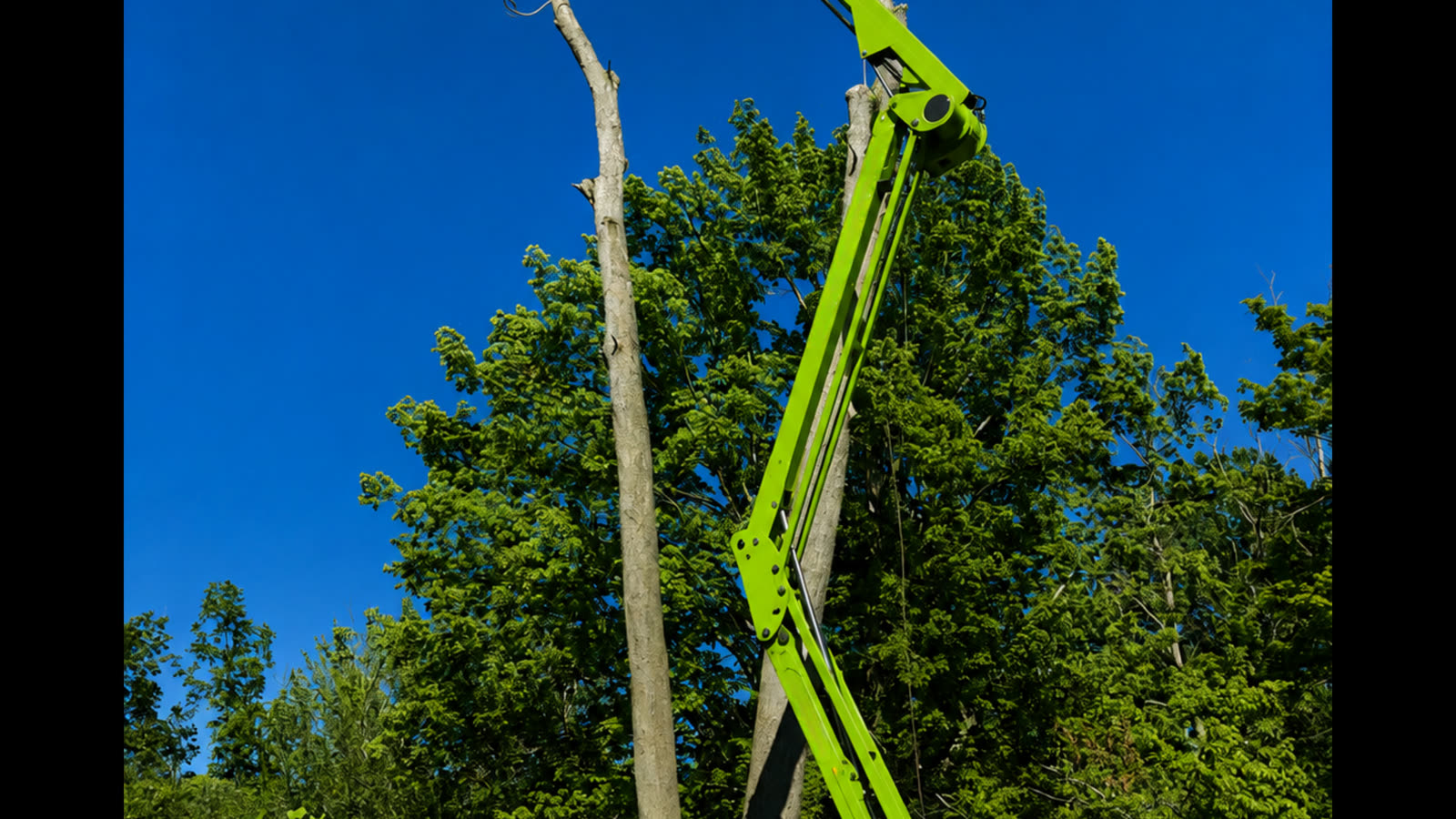
Dead wood is unpredictable. A climber cannot trust rotten limbs to hold, and the trunk may be hollow where it looks solid. The crew that comes out probes for soundness, and when a tree is too far gone to climb, it comes down from a lift or with a crane instead. In High Point, dead pines from bark beetle or drought stress are common, and the longer one stands the more brittle and hazardous it gets.
How Much Does Dead Tree Removal Cost in High Point, NC?
What changes
Effect on your price
Health of the wood
Dead, hollow or storm-loaded wood is unpredictable and more dangerous to cut, so a decayed tree prices above a sound one of the same size.
Trunk diameter and height
The single biggest driver. More wood and more height means more time on the saw and more to control on the way down.
What sits underneath
A tree in the open is felled. One over a roof, fence, pool or power lines is lowered in sections, and that rigging is where the price moves most.
How brittle the wood is
A dead tree cannot always be climbed safely, so a crane or bucket is used more often than on a live one.
Access for equipment
A back yard a chipper, truck or crane cannot reach means the wood comes out by hand, which adds labour to the exact same tree.
Rigging or a crane
When the safe method is a crane or heavy rigging rather than a straight fell, the equipment and the extra hands show up in the number.
Every job is priced on site. We look at the tree, the lean, the health of the wood and the drop zone, and put a written price in your hand before any cutting starts.
What's Included
Probing the trunk and limbs for soundness
Method chosen for brittle, decayed wood
Lift or crane used where climbing is unsafe
Dead limbs and trunk brought down controlled
Debris chipped and hauled
Written price after the safety check
How a Dead Tree Removal Job Goes, Step by Step
1
Test soundness
The crew probes the trunk and limbs to see how far decay has gone.
2
Pick the method
A brittle tree that cannot be climbed comes down by lift or crane.
3
Remove carefully
Dead sections are taken down under control, not free-dropped onto weak wood.
4
Clear the site
Debris is chipped and hauled and the ground is raked.
When to Call
A tree has no leaves while others have leafed out
Bark is falling off and limbs are dropping
A dead pine stands near the house or drive
You see fungus or hollow spots at the base
Where we cover
Dead Tree Removal across High Point, Jamestown, Archdale, Trinity, Thomasville, Lexington, Sophia, Randleman, Denton, Pleasant Garden and Sedgefield.
Common Questions
Why is a dead tree riskier to remove?⌄
Dead wood is brittle and unpredictable. Limbs a climber would normally trust can snap, and a trunk that looks solid may be hollow with rot. The longer it stands, the worse it gets. That is why decayed trees are worth removing before they fail on their own.
How do I know if my tree is actually dead?⌄
Signs include no leaves when others have leafed out, bark peeling off in sheets, brittle limbs that snap instead of bend, and fungus at the base. If you are not sure, the crew can check soundness and tell you whether it is dead, declining, or still savable.
Can a dead tree be climbed?⌄
Only if the wood is still sound enough to hold. Once decay has set in, a climber cannot trust the limbs, so the crew uses a lift or crane to keep workers off the brittle structure. The soundness check decides the method.
Should I remove a dead tree even if it is not near anything?⌄
It is your call, but a dead tree keeps shedding limbs and eventually falls. If it can reach a structure, a path, a fence or a neighbor, removal is the safe move. Out in the open it is less urgent, though it will keep dropping wood.